Do the right thing?

I have been reading Michael Sandel’s recent book, Justice: What’s the Right Thing to Do? Sandel is currently hot property on the centre left in the UK. He gave the prestigious Reith Lectures in 2009, and his argument for a ‘politics of the common good’ has hit a chord amongst politicians like Ed Miliband.

At the heart of Sandel’s philosophy Continue reading

2 Comments

Filed under Uncategorized

Why Is A US Climate Bill So Elusive?

According to at least one US commentator, Senate climate and energy legislation is now as dead as the parrot in Monty Python’s famous sketch. Without rehearsing the possible scenarios for introducing the bill at a later stage or the ins-and-outs of ‘lame duck sessions‘ and their possible voting scenarios, why is even such an apparently lame climate change bill so difficult to pass in the US?

Some of course blame it’s very lameness and the Democrat leadership’s unwillingness to push hard on the issue of climate itself. Others are dancing on the bill’s grave, arguing that putting cap and trade at its heart was a fatal flaw. And a further phalanx of pro-climate action views direct their anger at the ‘moral cowards‘ defending ‘narrow electoral interests’ in the Senate. Continue reading

Leave a comment

Filed under Cap and trade

CCC: Cuts to low-carbon RD&D “detrimental”

An update on our most recent post – on Monday the UK’s independent statutory climate advisory group, the Climate Change Committee chaired by Adair Turner, brought out a new report on low carbon innovation. One of its main findings is Continue reading

Leave a comment

Filed under Climate policies, Innovation, UK politics

Cutting innovation, not emissions?

In the UK the new coalition Government is beginning to swing the spending axe, and despite that fact that this will apparently be the “greenest government ever”, low carbon innovation is not spared. A number of technology support programmes have been axed, including £12.6 million from the Carbon Trust and £2.9 million from the Low Carbon Technology Programme. This comes on top of the culling of the Regional Development Agencies, which have been champions of low carbon innovations from electric vehicles to carbon capture and storage. Continue reading

2 Comments

Filed under Uncategorized

Do equality and security help the politics of climate?

Would more security and more equality help improve climate politics? One recent analysis that has attracted a lot of attention – The Spirit Level by Richard Wilkinson and Kate Pickett – argues that more inequality leads to greater consumerism and individualism, which in turn is a block on co-operation to tackle climate change. Meanwhile, Ted Nordhaus and Michael Shellenberger argued in their book Break Through that a precondition for a concern with environmental sustainability is genuine economic security.

Is there evidence to support these ideas? Continue reading

1 Comment

Filed under Uncategorized

Realism, readiness and rhetoric

What’s the right response to the politics of climate change – realism about the current impasse or holding out for the change that must surely come? A couple of weeks ago foreign policy expert Alex Evans posted a long piece on the Global Dashboard website, partly in response to an argument he was having with Michael Shellenberger of the Breakthrough Institute at a recent ippr event. Here’s our perspective. Continue reading

4 Comments

Filed under Uncategorized

The Politics of Climate Change

A primer for the last in ippr’s A Climate of Politics events series (9.00am, ippr, Tuesday 29 June 2010)
In partnership with Christian Aid and WWF-UK and with technical assistance from Cisco Systems, ippr – Political Climate’s parent organisation – has been grappling with the politics of climate change (rather than climate change policy). The final event in a series of five focuses on creating political space for more ambitious action on climate change. We hope this post – which is our interpretation of what we’ve heard so far – is interesting in its own right, but we also hope it will help get the debate going for those attending.

What have we learnt from the series, which has looked so far at the UNFCCC process and the politics in China, the US and the EU? There are perhaps four important lessons… Continue reading

2 Comments

Filed under Uncategorized

Getting to grips with innovation


A post from guest blogger Reg Platt

As regular readers will know Political Climate thinks the focus of climate policy should be on innovation to reduce the cost of low-carbon technology rather than on forcing up the cost of carbon intensive energy. But, innovation is not straightforward and more money does not necessarily mean the right results. This is lesson coming out of two recent events I attended Continue reading

1 Comment

Filed under Innovation

Pollution vs. climate change

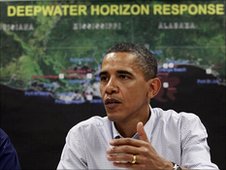
As we said a couple of weeks ago, the Gulf oil spill is having an impact on American thinking about energy in a way that climate change has simply failed to do so far. Now Obama has declared the Deepwater Horizon disaster an “environmental 9/11”, and called for a “new future” based on clean energy. The pollution from the Gulf spill is visible, its impacts are directly attributable and immediate, and it is understood by all to be affecting livelihoods across a swathe of Southern states. In all of these ways it is different from climate change, and shows how energy policy remains dominated by energy security and pollution considerations.

1 Comment

Filed under Uncategorized

Why we need a fair trade campaign for carbon

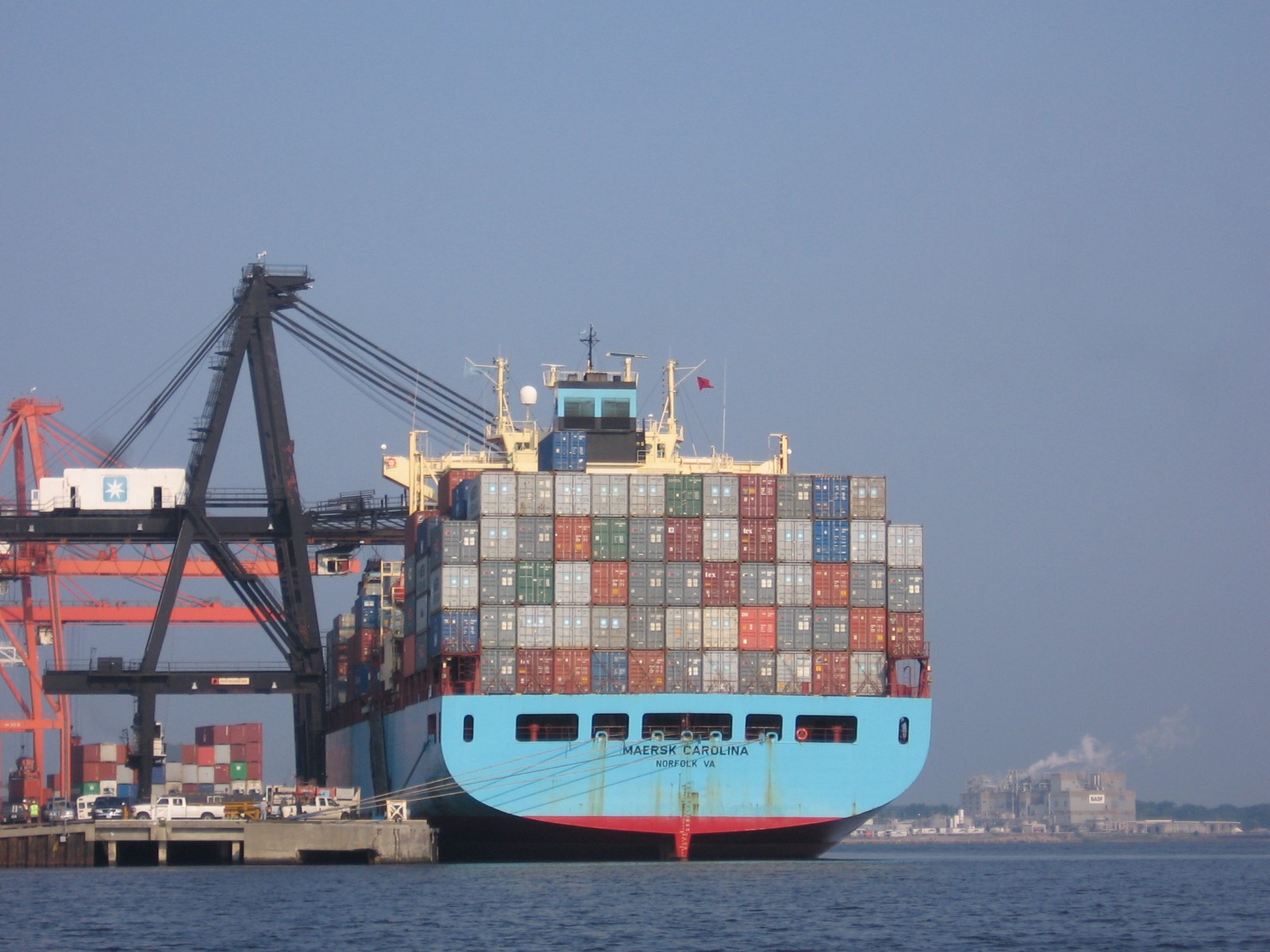
For many commentators in the wake of Copenhagen, China became the scapegoat for the failure to secure a meaningful and binding agreement. But one reason for China’s resistance to international climate treaties is that they measure emissions (and therefore required emissions cuts) on a national production basis, not consumption, and so ignore the carbon imbedded in the huge imports of goods from China to the West (especially the US).

On this issue they have a point – Continue reading

5 Comments

Filed under China, Consumption